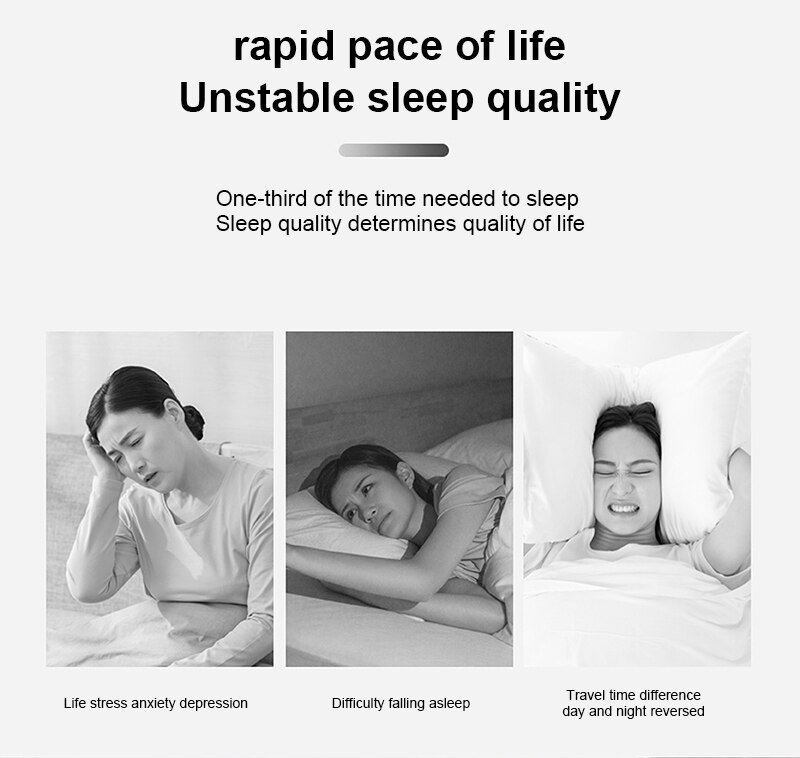
When the world quiets down, but your mind won't follow, you're not alone. For millions, the simple act of falling asleep becomes a nightly battle against a racing heart and anxious thoughts. This is where the power of targeted interventions comes in, and increasingly, people are exploring how Targeted Sleep Movies: Solutions for Insomnia & Anxiety can play a role in calming the storm.
We're not talking about binge-watching a blockbuster before bed. Instead, imagine carefully curated visual and auditory experiences designed to specifically address the physiological and psychological underpinnings of your sleeplessness. These aren't passive entertainment; they're purposeful tools, often integrated into broader therapeutic approaches, aimed at rewiring your brain for rest.
At a Glance: Key Takeaways for Better Sleep
- The Anxiety-Insomnia Loop is Real: Anxiety and sleeplessness are deeply intertwined, each feeding the other. Understanding this cycle is your first step to breaking free.
- Your Brain is Wired for Both Alarm & Calm: Specific brain regions (like the amygdala and prefrontal cortex) and neurotransmitters dictate your sleep-wake state. Targeted approaches can help rebalance them.
- CBT-I is the Gold Standard: Cognitive Behavioral Therapy for Insomnia is the most effective, evidence-based treatment, literally rewiring your brain for better sleep.
- Mind-Body Matters: Techniques like mindfulness and progressive muscle relaxation directly combat the physical and mental hyperarousal that prevents sleep.
- Digital Tools are Game-Changers: Apps and online platforms deliver structured, personalized interventions like digital CBT-I and guided sleep content, making expert help more accessible.
- Personalization is Key: Your unique sleep challenges require a tailored approach. What works for one person might not work for another.
- "Targeted Sleep Movies" Aren't Passive Entertainment: Think of them as guided visual or auditory experiences, often integrated into digital therapies, designed to promote relaxation and reduce anxiety, not just entertain.
The Vicious Cycle: When Anxiety Steals Your Sleep
It's a common story: You lie down, ready for sleep, and suddenly your mind is wide awake, replaying the day's worries or catastrophizing tomorrow's challenges. That's the insidious "anxiety-insomnia vicious cycle" at play. Globally, roughly 10% of adults grapple with chronic insomnia, and another 20% face intermittent sleep issues. Meanwhile, over a quarter of individuals experience anxiety disorders. These two conditions aren't just roommates; they're often co-conspirators, each exacerbating the other.
When anxiety spikes, your body's "fight or flight" response kicks in, making sleep feel impossible. And when you're sleep-deprived, your ability to manage anxiety plummets. This creates a feedback loop that leaves you feeling "wired but tired."
The Brain on Edge: Decoding Anxiety-Related Insomnia
To truly solve sleep problems, you need to understand what's happening upstairs. Anxiety-related sleep disorders aren't just "in your head"; they involve measurable dysregulation in specific brain regions and neurochemical systems.
- Your Brain's Alarm System: The amygdala, particularly the basolateral amygdala (BLA), learns to associate your bed with worry, while the central amygdala (CeA) maintains acute alertness, keeping you awake.
- The Ruminating Mind: If you're stuck in a loop of worry, your Default Mode Network (DMN), especially the precuneus region, might be overactive. This network is responsible for self-referential thought and rumination, and it struggles to switch off in anxiety-related insomnia.
- Overwhelmed Logic: The prefrontal cortex, your brain's CEO for logical thinking and emotional regulation, becomes less active when anxiety takes over. This allows emotional centers to dominate, making it harder to calm down.
- The Stress Hormone Flood: Your Hypothalamic-Pituitary-Adrenal (HPA) axis, the body's stress response system, goes into overdrive in chronic insomnia. This leads to excess cortisol, a stress hormone that disrupts your natural sleep rhythms.
- "Wired But Tired": This isn't just a feeling; it's a state of hyperarousal. Your brain exhibits increased alpha and sigma waves, heightened cortical metabolism, and an elevated heart rate variability – all signs that your system is running too hot for sleep.
Key Neurotransmitters Out of Whack:
Think of your brain like a complex symphony. In anxiety-related insomnia, certain instruments are playing too loud, and others too softly: - GABA (the "Brake Pedal"): This calming neurotransmitter becomes less effective, meaning your brain loses its natural ability to slow down.
- Orexin/Hypocretin (the "Accelerator"): This wakefulness promoter, usually active during the day, becomes overactive, keeping you revved up.
- Serotonin (Mood & Sleep Regulator): Imbalances here contribute to both anxiety and poor sleep.
- Norepinephrine (Alertness Enhancer): Elevated levels during the night contribute to that "wired" feeling.
The good news? Your brain is remarkably adaptable thanks to neuroplasticity. These circuits can be modified with targeted interventions.
Beyond the Mind: The Biological Toll of Chronic Sleep Disruption
The impact of sleeplessness extends beyond your immediate anxiety. Your HPA axis, designed for short bursts of stress, remains activated in modern chronic anxiety, leading to a cascade of physical consequences.
- Cortisol Chaos: In healthy individuals, cortisol peaks in the morning and dips in the evening. With chronic insomnia, evening cortisol can be 37% higher, overall 24-hour levels are elevated, and the morning "wake-up" response is blunted. This constant high cortisol directly sabotages sleep.
- Silent Inflammation: Chronic insomnia triggers low-grade inflammation throughout your body. Cytokines like IL-6 and TNF-α, which should be peaking at night, show abnormal rhythms, contributing to daytime fatigue and nighttime alertness.
- Metabolic Mayhem: Constant HPA axis activation impairs insulin sensitivity, increasing your risk of type 2 diabetes by a staggering 45%. It also elevates blood pressure, decreases heart rate variability (raising cardiovascular disease risk), and weakens your immune system, making you more susceptible to illness.
Breaking the Cycle: Evidence-Based Pathways to Rest
Fortunately, there are robust, scientifically proven methods to reclaim your sleep.
CBT-I: The Gold Standard for Rewiring Your Sleep
Cognitive Behavioral Therapy for Insomnia (CBT-I) is widely recognized as the most effective, long-term solution. It's not just a set of tips; it's a structured program that literally rewires your brain's sleep-wake system.
- Remarkable Effectiveness: Studies show 70-80% of patients experience significant improvement, with benefits lasting for at least 12 months. It often outperforms sleep medications in the long run.
- Brain Remodeling: CBT-I isn't just about feeling better; it causes measurable improvements in brain structure and function, including:
- Improved delta waves (deep sleep).
- Optimized sleep spindles (key for memory consolidation).
- Reduced beta waves (awake activity).
- Increased gray matter in the orbitofrontal cortex (involved in emotional regulation).
- Enhanced neural connectivity.
- Reduced physiological hyperarousal and inflammation.
- Normalized HPA axis function.
The Five Core Components of CBT-I:
- Sleep Restriction (or Sleep Compression): This counterintuitive technique temporarily limits your time in bed to match your actual sleep time. It builds strong sleep drive, making you feel sleepier at bedtime.
- Stimulus Control: This breaks the negative association between your bed and wakefulness/anxiety. You use your bed only for sleep and intimacy, get out if you're awake for more than 20 minutes, and maintain a consistent wake time, even on weekends.
- Cognitive Restructuring: This addresses those anxious, often catastrophic thoughts about sleep. You learn to challenge unhelpful beliefs (e.g., "I'll never sleep again") and develop more balanced, realistic perspectives.
- Sleep Hygiene Education: This is about optimizing your sleep environment and daily habits: a consistent sleep schedule, a cool/dark/quiet bedroom, limiting caffeine after 2 PM, regular exercise (but not too close to bedtime), and strategic light exposure.
- Relaxation Training: This is where you actively reduce physical and mental hyperarousal using techniques like progressive muscle relaxation, deep breathing, mindfulness, and guided imagery. This component is particularly relevant when considering curated visual or auditory experiences.
- Digital CBT-I Platforms: Modern solutions like FDA-approved apps (e.g., SleepioRx) offer structured, accessible, and private CBT-I programs, showing similar neural changes and a 76% clinically meaningful improvement rate.
Mind-Body Connection: Calming Your System
Beyond structured therapy, mind-body interventions directly target physiological hyperarousal, helping you shift from "fight or flight" to "rest and digest."
- Mindfulness Meditation: Even moderate, consistent practice can lead to clinically significant improvements in sleep quality.
- How it Works: Mindfulness enhances prefrontal cortex function, dials down amygdala reactivity, improves DMN regulation (reducing rumination), and optimizes stress hormone production.
- Practice: Start with just 5-10 minutes of breath awareness, gradually extending to 15-20 minutes. Techniques like body scans and "noting" anxious thoughts are also powerful.
- Progressive Muscle Relaxation (PMR): This systematic technique reduces physical tension.
- Technique: You tense and then completely relax different muscle groups (e.g., clench fists, then release) for specific durations, focusing on the contrast. This consciously shifts your nervous system from sympathetic (alert) to parasympathetic (calm).
- Combined Power: Studies show that combining mindfulness and PMR can yield even greater benefits for sleep quality, anxiety, and depression.
- Advanced Techniques: Exploring Body Scan Meditation or Loving-Kindness Meditation for self-compassion can deepen your practice.
The Role of Targeted Sleep Content Here: This is where the concept of "Targeted Sleep Movies" truly comes into its own. Rather than traditional films, consider carefully designed guided visual experiences or curated digital content that leverages the principles of mindfulness and relaxation. These might include: - Nature Soundscapes with Immersive Visuals: Gently flowing rivers, calm forest scenes, or starry nights designed to soothe and distract from anxious thoughts.
- Guided Imagery Narratives: Visual journeys that walk you through peaceful scenarios, engaging your imagination to reduce stress.
- Progressive Muscle Relaxation Videos: Visual guides that demonstrate and cue the tension-release sequence, enhancing the technique.
- Mindful Movement or Yoga Nidra Videos: Gentle, calming sequences specifically for pre-sleep.
These aren't entertainment; they are therapeutic media that function as digital aids for relaxation training and guided imagery, helping you prepare for sleep. They are components of a broader strategy, not standalone cures.
Digital Therapeutics: Modern Solutions for Ancient Problems
Digital therapeutics for insomnia (DTI) are evidence-based interventions delivered via apps, web platforms, and wearables. They represent a significant leap in accessible sleep solutions.
- Proven Effectiveness: DTIs consistently show clinically meaningful improvements in insomnia severity (reducing scores by 4-8 points), sleep efficiency (improving by 10-15 percentage points), and sleep onset latency (reducing by 15-30 minutes). They also reduce anxiety and depression.
- FDA Approval: Platforms like SleepioRx are FDA-approved, backed by numerous clinical trials demonstrating substantial improvements and higher remission rates compared to usual care.
- How They Work: DTIs produce similar neural changes to traditional CBT-I. They collect real-time data, provide immediate feedback, and offer consistent reinforcement.
- Cutting-Edge Features: Many DTIs integrate AI for personalized recommendations and predictive analytics. They can connect with wearable devices for multimodal feedback and often include gamification to keep you engaged.
Bringing "Targeted Sleep Movies" into the Digital Era: Within these digital therapeutic platforms, the idea of "Targeted Sleep Movies" transforms into curated, interactive, and personalized audiovisual modules. For example, a sleep app might offer: - Personalized Visual Journeys: Based on your mood or sleep data, the app suggests a "sleep story" or a visual meditation designed to address specific anxieties.
- Adaptive Soundscapes: These aren't just nature sounds; they might subtly change based on your biometric feedback from a wearable, aiming to synchronize with your heart rate variability.
- Interactive Guided Imagery: You might be prompted to visualize specific details within a calming "scene," actively engaging your mind in a sleep-promoting narrative.
Consider an example like SleepMo (a conceptual app that embodies these features). It integrates relaxation/mindfulness (guided meditations, PMR, nature soundscapes), sleep environment optimization (smart lighting/temperature guidance), psychological health support (mood tracking, CBT elements), and readiness assessments that can share data with providers. Many of these elements are delivered through targeted, interactive visual and auditory content that could be called "Targeted Sleep Movies" in a functional sense. This content is crucial for delivering parts of CBT-I's relaxation and cognitive restructuring components in an engaging, accessible format. If you're exploring movies for sleeping, understand that the most effective versions are not passive entertainment but highly specific, therapeutic content.
Unlocking Natural Sleep: How Orexin Antagonists Work
For some, pharmacological support is a necessary bridge to better sleep. Orexin Receptor Antagonists (ORAs) represent a newer class of drugs that offer a different approach than traditional sedatives.
- The Orexin System: Orexin, or hypocretin, is a neurotransmitter produced by a small cluster of neurons in your hypothalamus. Its job is to keep you awake and alert, and it's closely linked to stress and anxiety circuits.
- Selective Wakefulness Blockade: Unlike older sleep medications that broadly suppress brain activity (by enhancing GABA), ORAs selectively block the wakefulness-promoting signals of orexin. This allows your natural sleep systems to take over.
- Effectiveness & Safety: DORAs (Dual Orexin Receptor Antagonists) like Suvorexant (Belsomra), Lemborexant (Dayvigo), and Daridorexant (Quviviq) have shown high response rates, even in individuals with comorbid anxiety. They generally have mild side effects and a low risk of dependence or tolerance.
- Preserving Cognition: By selectively removing the "wakefulness obstruction," ORAs preserve cognitive performance better than older medications. They can even help individuals discontinue benzodiazepines.
Important Note: ORAs are prescription medications and should always be discussed with a healthcare professional.
Crafting Your Personalized Sleep Solution
There's no one-size-fits-all solution for insomnia and anxiety. A truly effective approach is personalized, considering your unique neurobiological profile, life circumstances, and preferences.
Understanding Your Sleep Story: Phenotypes & Biomarkers
Researchers are identifying distinct "insomnia phenotypes" – specific patterns of sleep disturbance that respond best to different treatments.
- Hyperarousal-Dominant: If you have high cortisol, elevated heart rate, and racing thoughts, you might benefit most from CBT-I (focus on relaxation and mindfulness) and potentially orexin antagonists.
- Circadian-Disrupted: If your sleep schedule is all over the map, light therapy, melatonin, and strict scheduling might be your best bet.
- Anxiety-Amplified: For those with overwhelming sleep-related anxiety and catastrophic thinking, CBT-I's cognitive restructuring, Acceptance and Commitment Therapy (ACT), and mindfulness are crucial, possibly combined with anxiety medication.
- Depression-Associated: Early morning awakening and reduced sleep efficiency often point to depression. A combined approach addressing both mood and sleep, potentially with antidepressants that have favorable sleep profiles, is usually recommended.
Biomarkers like cortisol patterns, inflammatory markers, and even genetic factors can help predict which treatments will be most effective for you.
A Tiered Approach to Healing
Think of treatment as a stepped ladder, starting with the least intensive and progressing as needed:
- Tier 1 (Mild Sleep Anxiety): Begin with digital-first strategies (like sleep apps with guided content), excellent sleep hygiene, basic stress management, and self-monitoring.
- Goal: 4-8 weeks, 70-80% success rate.
- Tier 2 (Moderate Stress-Induced Insomnia): Move to structured CBT-I (digital or therapist-guided), targeted interventions based on your specific phenotype, and possibly a short-term orexin antagonist.
- Goal: 8-12 weeks, 65-75% success rate.
- Tier 3 (Complex Anxiety-Insomnia Comorbidity): This requires a multidisciplinary team (sleep specialists, psychiatrists, psychologists), combined interventions (therapy, medication, intensive lifestyle changes), and ongoing monitoring.
- Goal: 12-24 weeks, 50-65% substantial improvement.
Treatment matching algorithms are emerging to help guide these decisions, ensuring you get the right support at the right time.
Putting It All Together: Practical Strategies for Restful Nights
Translating all this science into daily action is where the real change happens.
Immediate Relief & Quick Fixes
When anxiety strikes and sleep feels miles away, these strategies can offer quick calm:
- The 4-7-8 Breathing Technique: Inhale quietly through your nose for 4 counts, hold your breath for 7 counts, then exhale completely through your mouth with a "whoosh" sound for 8 counts. Repeat this cycle 3-4 times. This technique rapidly activates your parasympathetic nervous system, signaling your body to relax.
- The 20-Minute Rule: If you're lying in bed awake for more than 20 minutes, get out! Go to another room and do a quiet, non-stimulating activity (read a physical book, listen to calm music). Return to bed only when you feel sleepy again. This reinforces the mental link between your bed and sleep.
- Emergency Anxiety Toolkit: Develop a mental checklist:
- 5-4-3-2-1 Grounding: Name 5 things you can see, 4 you can touch, 3 you can hear, 2 you can smell, 1 you can taste.
- PMR Express: Quickly tense and relax just your face, neck, and shoulders.
- Loving-Kindness Phrases: Silently repeat phrases like "May I be peaceful, may I be well, may I be free from suffering."
- Visualization: Imagine a safe, peaceful place in vivid detail.
Optimizing Your Sleep Sanctuary: Sleep Hygiene 2.0
Beyond the basics, elevate your sleep environment:
- Temperature Regulation: The ideal bedroom temperature is 65-68°F (18-20°C). Your body needs to cool down to initiate sleep.
- Light Management: Dim all lights for two hours before bed. Use blue light filtering glasses or software on screens. Get 15-30 minutes of bright morning light to reset your circadian rhythm, and ensure complete darkness for sleep (blackout curtains are your friend!).
- Sound Environment: Aim for a consistent, neutral sound. White noise, pink noise, or nature sounds (like gentle rain) at around 50 decibels can mask disruptive noises and create a consistent auditory environment for sleep.
Rewiring Anxious Thoughts: Cognitive Strategies
Your thoughts are powerful. Learning to challenge and reframe anxious sleep thoughts is a cornerstone of CBT-I.
- Thought Record for Sleep Anxiety: When an anxious thought about sleep arises, don't just accept it.
- Identify the Thought: "I'll never fall asleep, and tomorrow will be ruined."
- Examine Evidence For/Against: "Have I ever had a night where I got no sleep? No. Have I functioned after a poor night's sleep? Yes."
- Develop a Balanced Perspective: "It's uncomfortable right now, but I will eventually sleep. I've handled rough days before, and I can do it again."
- Plan a Helpful Action: "I'll get out of bed in 20 minutes if I'm still awake and do something calming."
This reframes unhelpful thoughts and reduces their power.
Leveraging Technology Wisely
Digital tools can be incredibly beneficial, but choosing and using them strategically is key.
- Choosing the Right App: Look for apps that explicitly state they are evidence-based or use CBT-I principles. Check for personalization features, good user experience, clear privacy policies, and testimonials. Many include sleep videos for insomnia that are carefully designed to calm the mind.
- Digital Boundaries:
- Turn off all non-essential notifications at least two hours before bed.
- Charge your phone outside your bedroom.
- Use blue light filters on all screens in the evening.
This is where the concept of "Targeted Sleep Movies" shines as a tool within a broader digital strategy. These aren't just any "movies"; they are specifically crafted guided meditations, visual relaxation sequences, or immersive soundscapes often integrated into reputable sleep apps. They help you actively shift your mental state from anxious arousal to calm readiness for sleep.
Building Your Personal Sleep Protocol
Creating a sustainable path to better sleep is a journey, not a sprint.
- Phase 1 (Weeks 1-2): Foundation Building
- Establish a consistent bedtime and wake time.
- Implement a 20-minute wind-down routine (e.g., gentle stretching, reading, listening to a targeted sleep audio).
- Optimize your bedroom environment.
- Begin basic relaxation techniques like 4-7-8 breathing.
- Phase 2 (Weeks 3-6): Skill Development
- Introduce cognitive restructuring to challenge anxious thoughts.
- Incorporate regular mindfulness meditation or PMR practice.
- Optimize your light exposure (morning bright light, evening dimming).
- Refine physical activity: ensure regular exercise, but avoid intense workouts close to bedtime.
- If struggling, consider implementing sleep restriction with guidance. For added support, some find comfort in visuals to help you sleep which often are part of structured digital programs.
- Phase 3 (Weeks 7-12 and beyond): Integration & Maintenance
- Personalize your techniques based on what works best for you.
- Develop flexibility for occasional disruptions while maintaining core habits.
- Create contingency plans for difficult nights.
- Build a support network and consider sharing your progress with a therapist or trusted friend.
When to Seek Professional Guidance
While self-help strategies are powerful, some situations warrant professional intervention. Recognize these crisis points:
- Significant Impact: Your insomnia/anxiety is severely affecting your work, relationships, or overall quality of life.
- Substance Use: You're relying on alcohol, sedatives, or other substances to cope with sleep or anxiety.
- Self-Harm Thoughts: You're experiencing thoughts of self-harm or hopelessness.
- Physical Health Issues: Your sleep problems are exacerbating existing health conditions or creating new ones.
- No Improvement: Despite consistent efforts with self-help strategies, you see no significant improvement after several weeks.
In these cases, contact your healthcare provider immediately. They can help review medications, assess for underlying conditions, and connect you with appropriate specialists (sleep medicine, psychiatry, psychology). For those seeking targeted content, sleep aid videos from reputable sources, often found within digital therapeutics, can be a helpful, albeit supplementary, tool.
Reclaiming your sleep and calming your anxiety is a journey of understanding, action, and persistence. By embracing evidence-based strategies, leveraging personalized approaches, and utilizing modern tools including targeted digital content, you can break free from the vicious cycle and rediscover the profound peace of a restful night.